|
The federal government shutdown has reached its third week, with no sign of ending any time soon.
And many people statewide who use CalFresh — California’s version of the Supplemental Nutrition Assistance Program, sometimes referred to as “food stamps” — are now worried their SNAP benefits could stop in November due to the shutdown.
According to June state data, there are 5.5 million Californians on CalFresh, the food nutrition program that supports low-income residents and families. These include hundreds of thousands of people living in the Bay Area, where Alameda County has the highest share — 176,133 — of people using CalFresh.
The U.S. Department of Agriculture manages SNAP on the national level and handles the costs of all benefits distributed to participants through Electronic Benefit Transfer (EBT) cards using federal dollars. As a result, CalFresh benefits in November could be affected if the shutdown continues beyond this week. CalFresh payments are typically made during the first 10 days of the month.
Here’s what we know so far about how SNAP benefits could be impacted if one of the longest shutdowns in the country’s history continues. We’ll keep updating this story with new information as we have it.
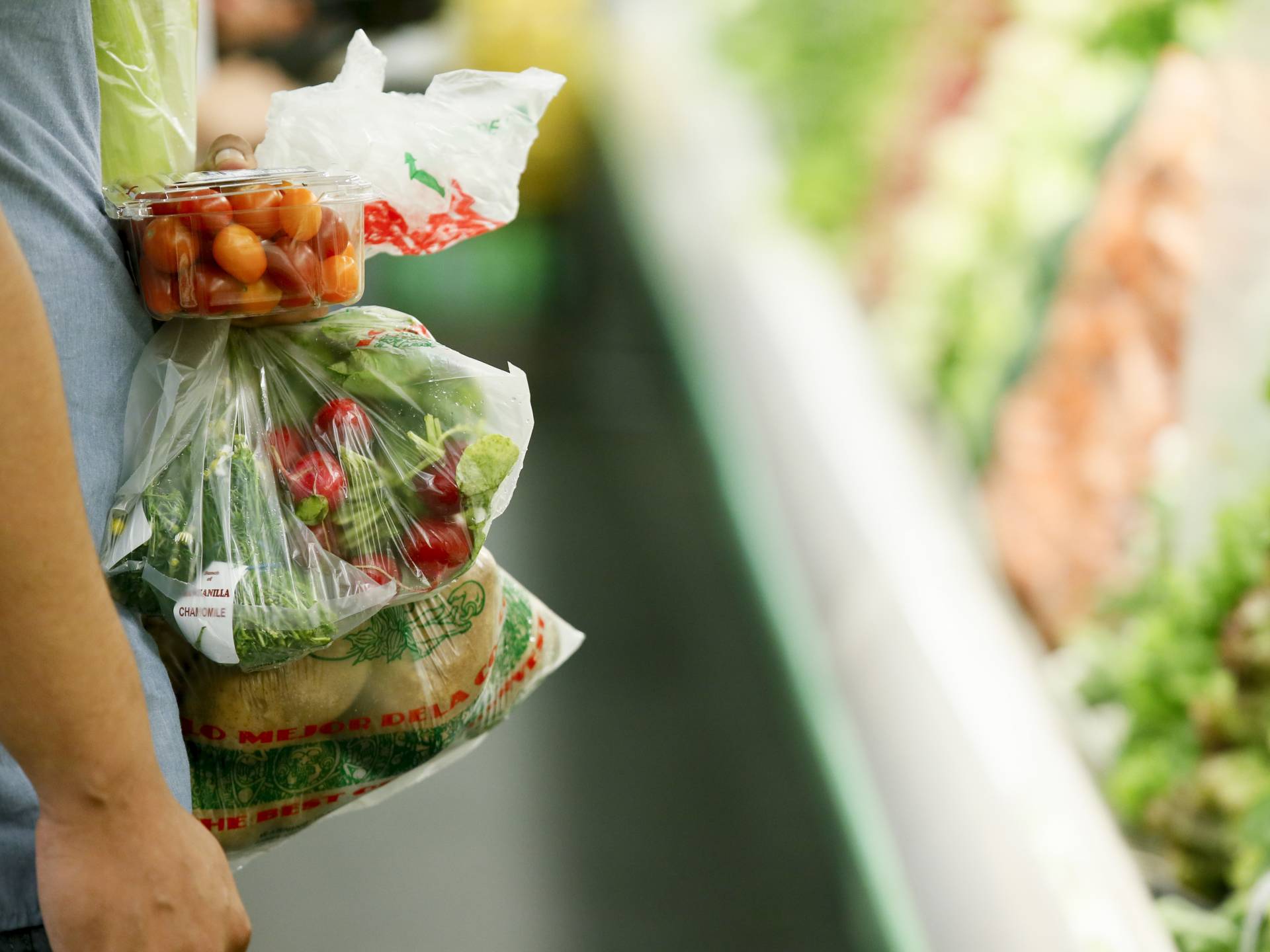 According to June state data, there are 5.5 million Californians on CalFresh, the food nutrition program that supports low-income residents and families. (Danny Moloshok/AP) According to June state data, there are 5.5 million Californians on CalFresh, the food nutrition program that supports low-income residents and families. (Danny Moloshok/AP)
What does the federal government say about SNAP and the shutdown?
According to a letter obtained by Politico dated Oct.10, the United States Department of Agriculture has warned state nutrition agencies that it will run out of money if the shutdown continues to November.
USDA Acting Associate Administrator Ronald Ward wrote that “SNAP has funding available for benefits and operations through the month of October.”
However, “if the current lapse in appropriations continues, there will be insufficient funds to pay full November SNAP benefits for approximately 42 million individuals across the Nation,” wrote Ward.
The letter instructs state agencies to delay sending November benefit issuance files to vendors, who then disperse funds to people on SNAP — which includes people on CalFresh in California.
Agriculture Secretary Brooke Rollins told reporters at the White House on Oct. 16 that SNAP would run out of money in two weeks if the shutdown continued.
Right now, it’s unclear what a 2025 contingency plan for SNAP benefits will look like.
What do California officials say about CalFresh and the shutdown?
On the BenefitsCal webpage, a notice dated Oct. 15 warns that future benefits for CalFresh and CalWORKS (Temporary Assistance for Needy Families) “may be at risk if the federal government shut down continues.”
The advisory also said there may also be disruptions to Medi-Cal, California’s Medicaid program, if the shutdown lasts past December.
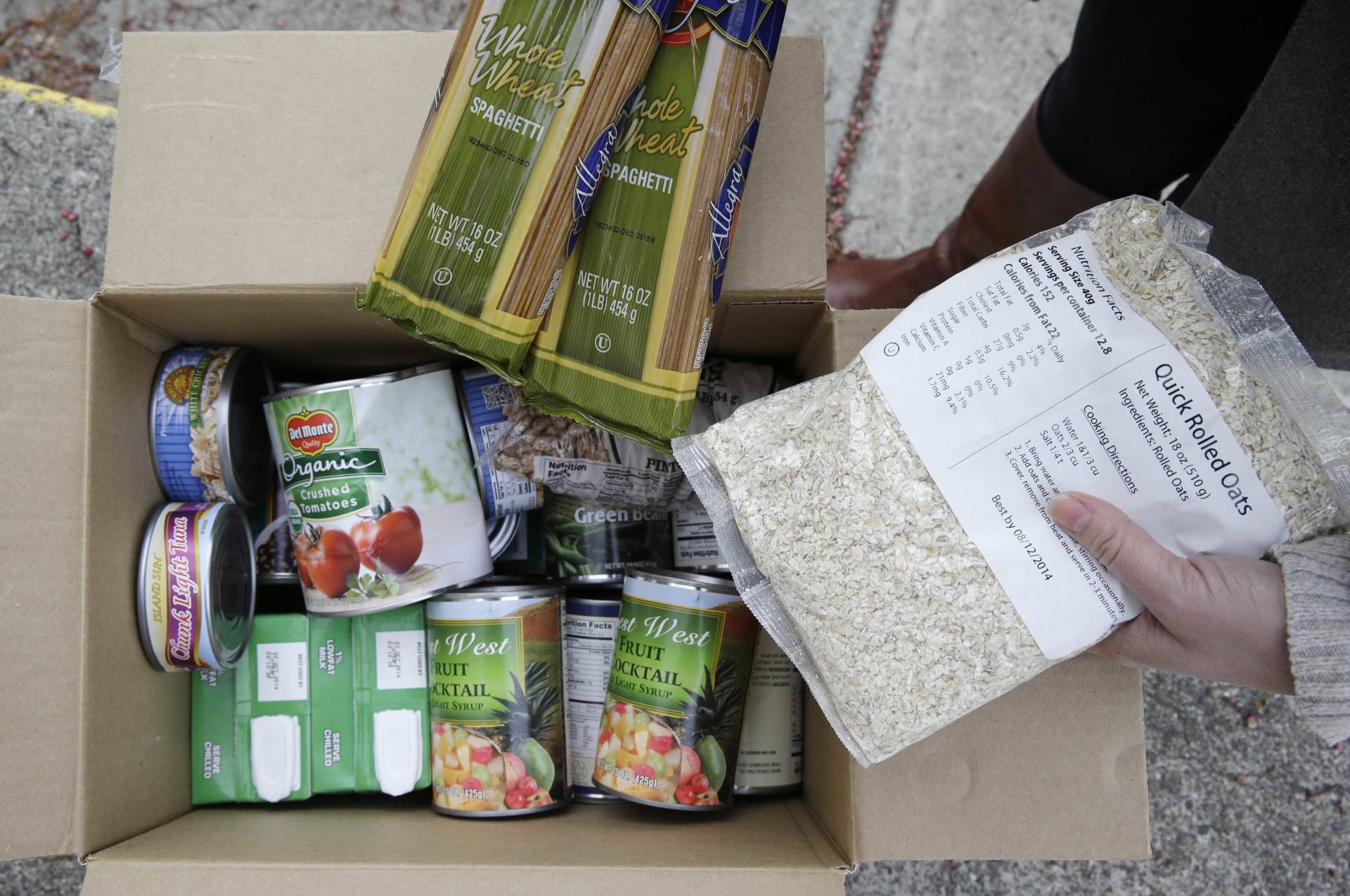 A box of food prepared at a food bank distribution in Petaluma. (Eric Risberg/AP) A box of food prepared at a food bank distribution in Petaluma. (Eric Risberg/AP)
A banner message on the state’s Department of Social Services website also warns that “no new federal funding” supporting programs like CalFresh “will be provided until the President and Congress take action.”
The message also attributes the shutdown to “to the failures of the President and Congress to continue government funding” and warns Californians visiting government websites like hhs.gov for more information to “be wary of potential highly partisan political messaging while visiting federal government websites” — a response to language posted to the official websites of various federal agencies that refers to “the Radical Left Democrat shutdown”.
What happened to SNAP benefits during past shutdowns?
The longest government shutdown in U.S. history lasted 35 days from December 2018 to January 2019, during President Donald Trump’s first term.
During this period, USDA initially said SNAP benefits would run out by the end of January.
But February SNAP benefits were ultimately distributed early at the end of January, although food stamp beneficiaries then had to wait until March for the next round of payments. |



.png)
 More
More
 Religion & Spirituality
 Education
 Arts and Design
 Health
 Fashion & Beauty
 Government & Organizations
 Kids & family
 Music
Music News & Politics
 Science & Medicine
 Society & Culture
 Sports & Recreation
 TV & Film
 Technology
 Philosophy
 Storytelling
 Horror and Paranomal
 True Crime
 Leisure
 Travel
 Fiction
 Crypto
 Marketing
 History
 Comedy
 Arts
Arts Games & Hobbies
 Business
 Motivation