|
Description:
|
|
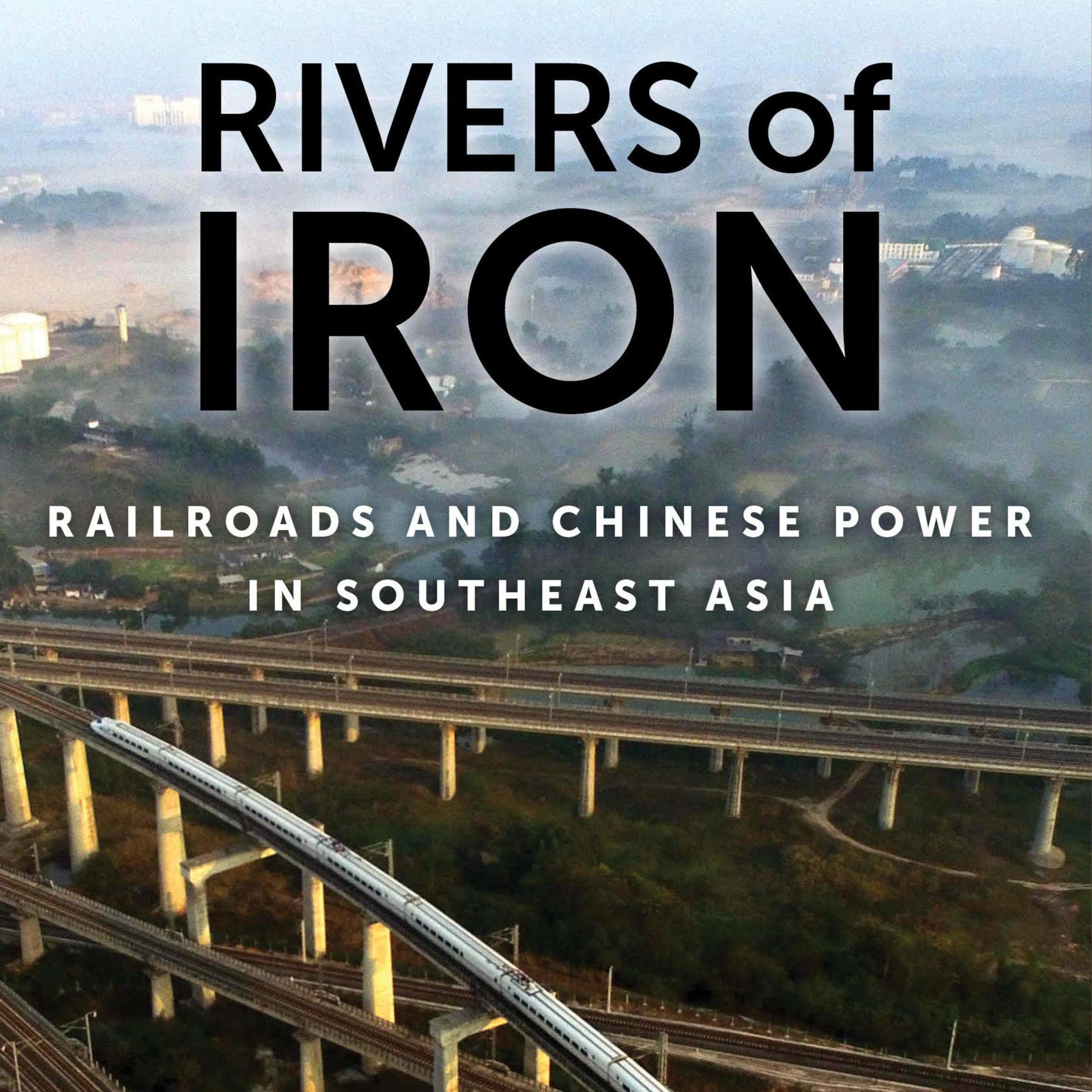
Abstract: How and why do similarly situated smaller states respond to big power-backed infrastructure projects differently? Why do these smaller states demonstrate varying forms of agency? This talk addresses these questions by examining Southeast Asian countries’ engagement with China’s Belt and Road Initiative (BRI). Drawing on extensive fieldwork and sources, Kuik will share the key findings of his co-authored (with David Lampton and Selina Ho) book, Rivers of Iron: Railroads and Chinese Power in Southeast Asia (University of California Press, 2020) and a Special Issue project on “Asymmetry and Authority: Theorizing Southeast Asian Responses to China’s BRI” (Asian Perspective, Spring 2021). While China, as a stronger power, will always push the envelope in BRI partnerships, smaller states do have agency. Southeast Asian states’ engagement with the BRI show different types of host-country agency, e.g. proactive initiation (small-state pulls), active involvement, active renegotiation, and passive resistance (denying, delaying, or distancing from a stronger power’s initiative). These patterns are the result of two-level dynamics: while asymmetrical power relations (i.e. power gaps with China, alongside presence/absence of credible alternatives) condition smaller states’ external policy choices, these structural effects are filtered through the states’ internal dynamics. Elite legitimation – the governing elites’ efforts to justify and enhance their authority to rule – is the key explanatory variable. While all elites seek to maximize their authority chiefly by attempting to win the “hearts and minds” of their targeted constituencies, they do so by pursuing, with different emphasis, three pathways of inner justification: (a) performance-related rationales (e.g. ensuring growth, managing national problems); (b) particularistic narratives (e.g. identity politics); and (c) procedural virtues (e.g. democratic practice, rules of law). The relative emphasis placed on these pathways compels the respective elites to play up or play down certain perceived risks and opportunities associated with the BRI, leading to varying responses. |



.png)
 More
More
 Religion & Spirituality
 Education
 Arts and Design
 Health
 Fashion & Beauty
 Government & Organizations
 Kids & family
 Music
Music News & Politics
 Science & Medicine
 Society & Culture
 Sports & Recreation
 TV & Film
 Technology
 Philosophy
 Storytelling
 Horror and Paranomal
 True Crime
 Leisure
 Travel
 Fiction
 Crypto
 Marketing
 History
 Comedy
 Arts
Arts Games & Hobbies
 Business
 Motivation